
Quick answer
Cut back on watering, make sure every pot drains freely, lift planters off the floor, shelter delicate plants from driving rain and wind, and check weekly for root rot, fungus gnats, snails and mealybugs. Leave repotting and heavy feeding until the rains ease.
The monsoon is when Mumbai plants grow fastest and when they are most likely to fail. Constant moisture, weeks without sun and strong wind on high floors are hard on roots and leaves. This checklist covers what to do before, during and after the rains.
Before the rains: late May to early June
- Check every drainage hole. Poke out compacted soil and roots so water can escape.
- Lift pots off the floor with pot feet or small stands, so they do not sit in pooled water.
- Clear the balcony drain and make sure no planter blocks it.
- Stake or move tall plants. Wind on upper floors can topple a tall plant in a narrow pot.
- Move delicate plants such as ferns, fittonia and young seedlings away from where rain drives in sideways.
- Prune crowded or damaged growth to improve airflow through the plant.
Watering during the monsoon
The rule is simple: check the soil, not the calendar.
- Balcony plants that receive rain may not need watering for days at a time, even when the surface looks dry after a sunny break.
- Indoor plants dry out more slowly because humidity is high and light is low. Many need half the water they needed in May.
- Water in the morning so leaves and the soil surface dry before evening.
If the top few centimetres of soil are still damp, wait.
Drainage and root rot
Root rot is the most common monsoon problem. Roots sitting in wet soil run out of oxygen and start to decay.
Warning signs: yellowing lower leaves, soft or blackened stems at the soil line, wilting even though the soil is wet, and a sour smell from the pot.
What to do:
- Stop watering and move the plant somewhere airy.
- Slide it out of the pot and check the roots. Healthy roots are firm and pale; rotten roots are brown and mushy.
- Trim rotten roots with clean scissors.
- Repot in fresh, free-draining mix with added perlite or coarse sand, in a pot with a drainage hole.
Pests and fungus to watch for
- Fungus gnats: tiny black flies around the soil. They breed in constantly wet compost. Let the top layer dry out, and use yellow sticky traps to catch adults.
- Snails and slugs: chew ragged holes in balcony plants overnight. Check under pots and rims in the evening and remove them by hand.
- Mealybugs: white, cottony clusters in leaf joints. Wipe them off with a cotton bud dipped in diluted rubbing alcohol, then follow up with a neem oil spray.
- Leaf spot and mildew: brown or powdery patches. Remove affected leaves, improve airflow and avoid wetting the foliage late in the day.
Check every plant once a week. Problems caught early are easy to fix.
Wind on high floors
On upper floors, monsoon squalls can strip leaves and tip planters.
- Move hanging planters indoors or to a sheltered wall.
- Group pots together so they shelter each other.
- Use heavier planters for tall plants, or tie them discreetly to a railing.
- Large-leaved plants such as heliconia and banana do best in the most protected corner.
Feeding and repotting
Plants grow quickly in the warm, wet months, but heavy rain washes nutrients out of the soil and soggy roots cannot absorb much. Feed lightly, if at all, during the heaviest rain, and never fertilise a plant that is already waterlogged.
Save repotting for after the monsoon, when roots are less likely to rot in fresh, wet soil.
After the rains: September to October
- Refresh the top layer of soil in planters with fresh compost.
- Prune leggy growth and remove damaged leaves.
- Repot plants that have outgrown their pots.
- Gradually return to your normal watering routine as sunny days return.
- Move sheltered plants back to their usual spots.
The checklist
- Clear drainage holes and the balcony drain.
- Lift pots off the floor.
- Stake, move or shelter tall and delicate plants.
- Water only when the top soil is dry.
- Check weekly for rot, gnats, snails and mealybugs.
- Repot and feed after the rains.
If you would rather leave it to us, our plant care and maintenance service keeps green spaces healthy through every season.
Questions
Should I water my plants during the monsoon?
Only when the top few centimetres of soil are dry. Balcony plants that get rain may need no watering for days, and indoor plants usually need about half the water they need in summer.
How do I get rid of fungus gnats in the monsoon?
Let the top layer of soil dry out between waterings, because gnats breed in constantly wet compost. Yellow sticky traps catch the adults, and repotting in fresh, free-draining mix helps with severe cases.
Keep reading
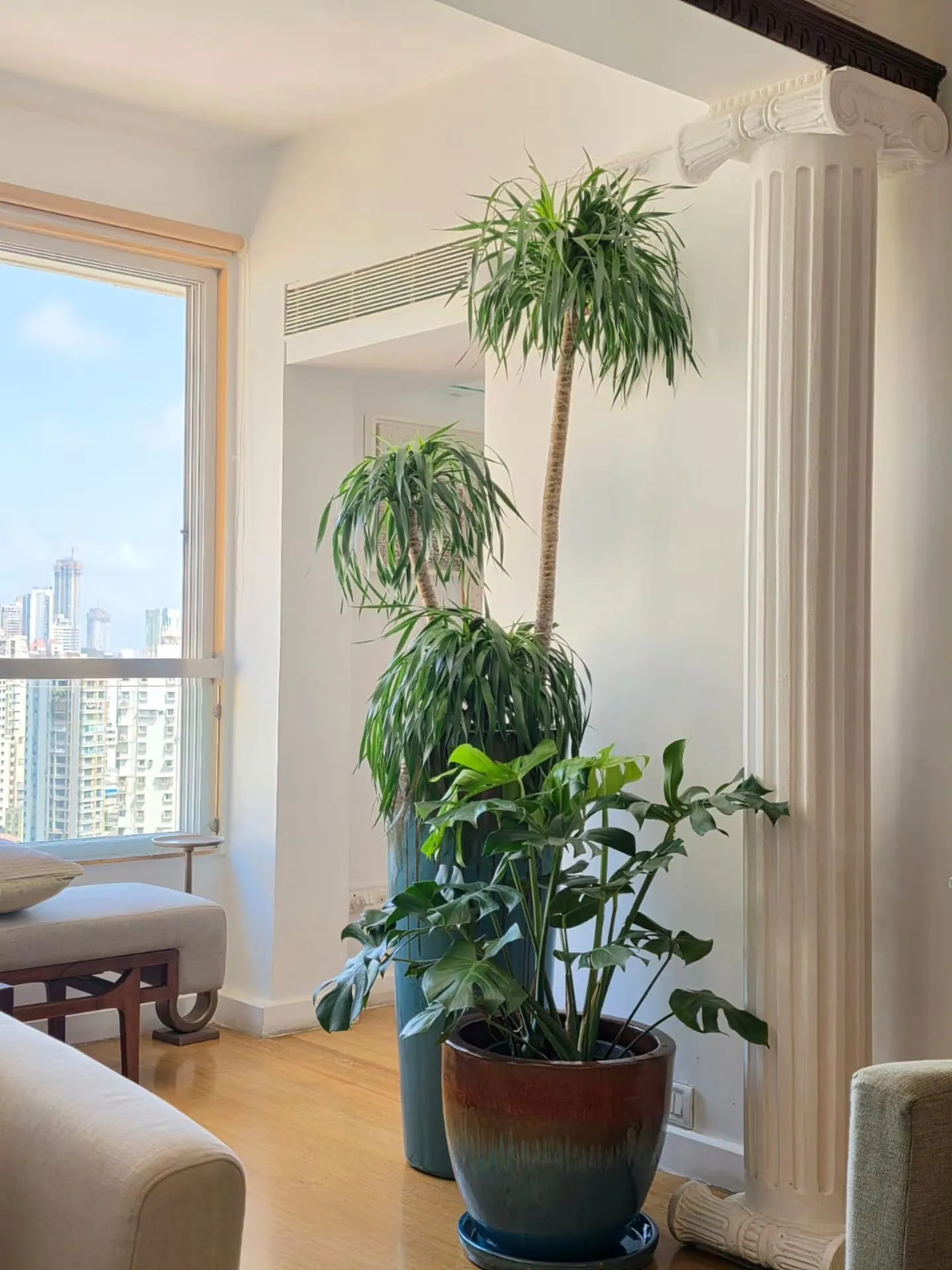
10 low-light indoor plants that do well in Mumbai apartments
The best plants for low-light Mumbai flats, from ZZ plant and snake plant to pothos and rhapis palm, with watering advice for a humid city.
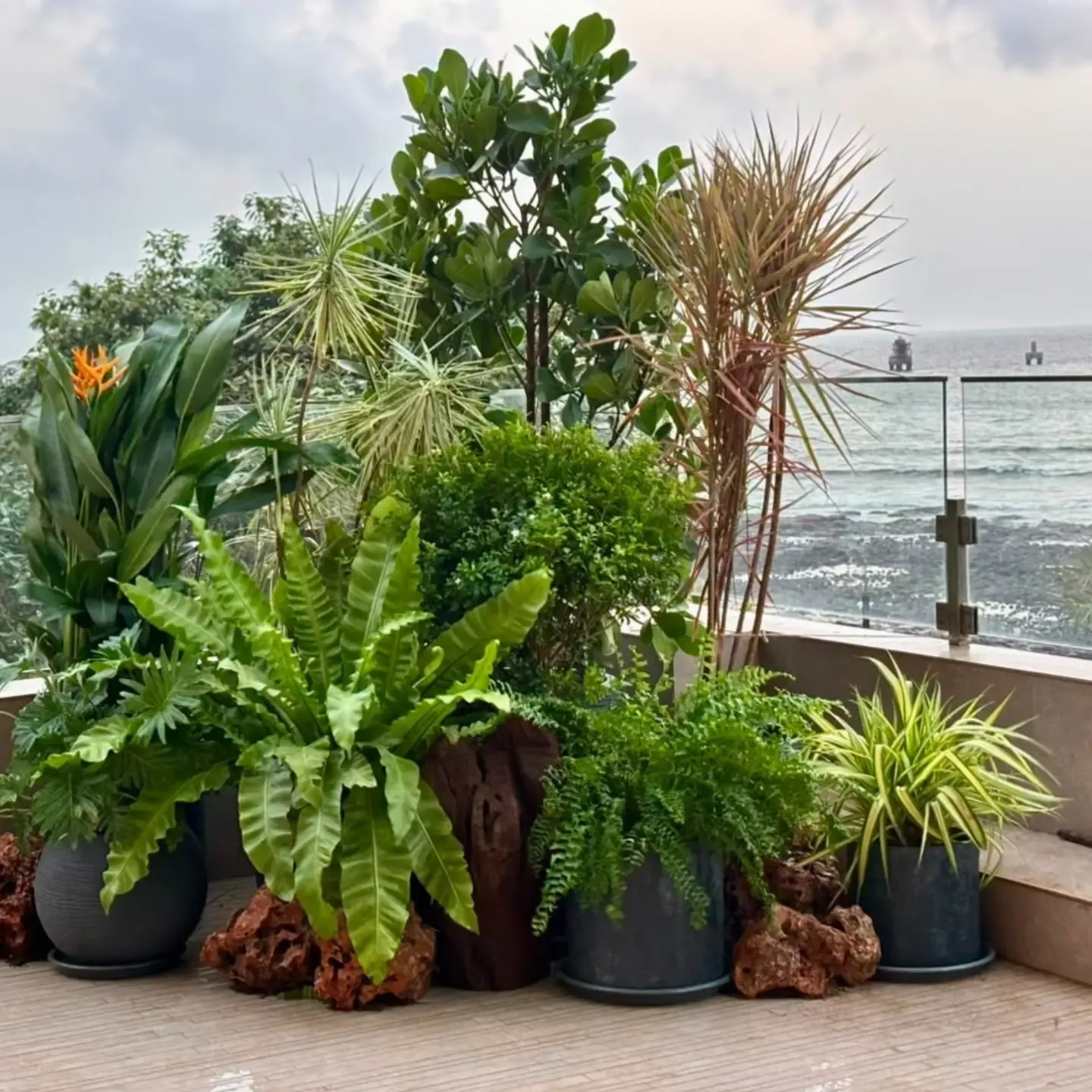
How to design a balcony garden in Mumbai without losing the view
Plan a balcony garden in a Mumbai high-rise: clusters instead of rows, plants for wind and sea air, planters, drainage, privacy and monsoon prep.